
By Meghan Tierney
Camp often seems unassuming—a time full of play in the summer sun, yet the anxiety from both parents and children is palpable on those first few days. Ensuring children have all the necessary tools to create a safe camp environment is essential for both the well-being of campers and the ease of your child’s caregiver. As a Montessori caregiver for children ages 1 ½ – 4, I am happy to provide this much-needed list. From storage to toys, these are a few underrated materials parents won’t want to miss as their children take this new step.
Bags
★ Daily Bag
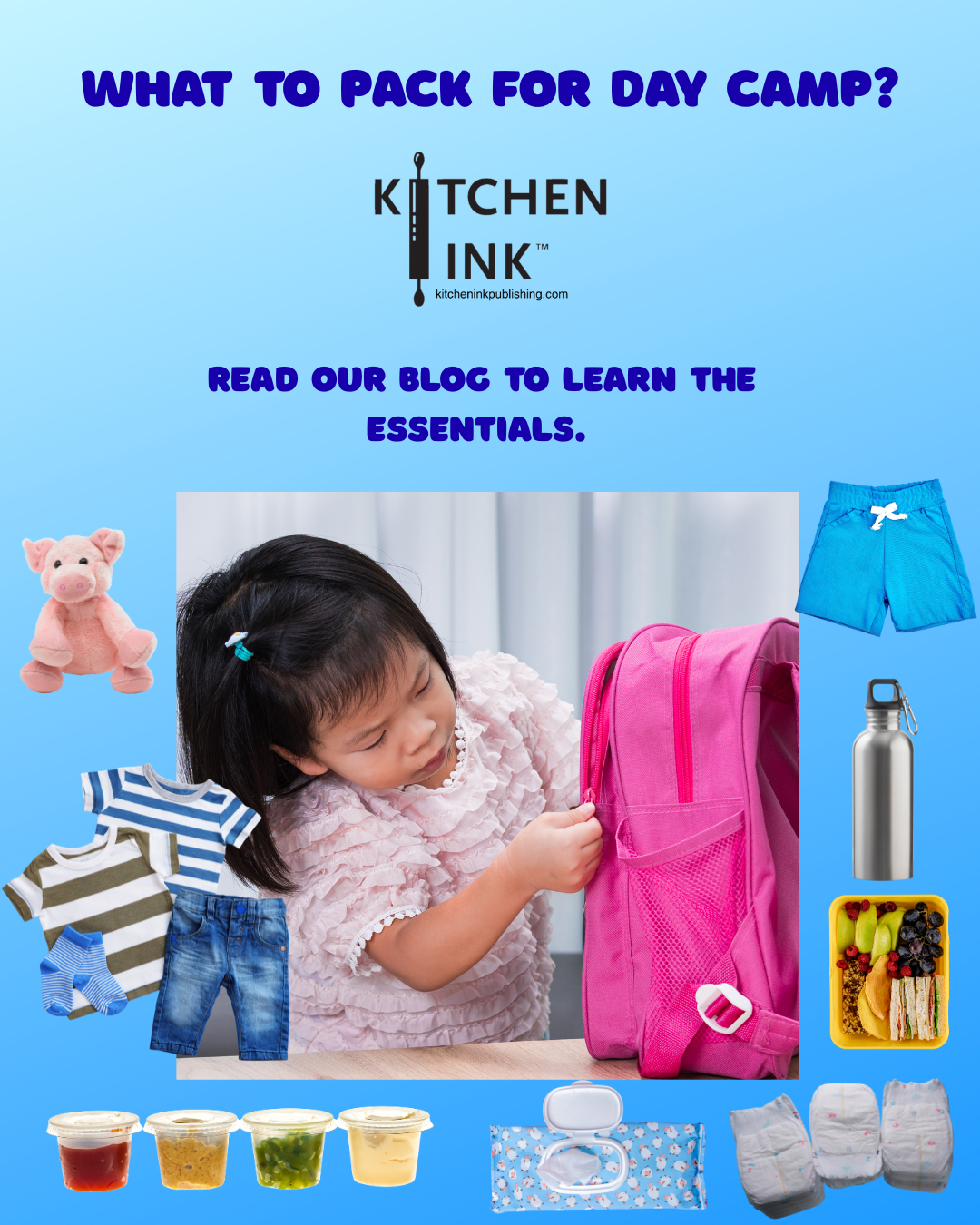
Something as trivial as the bag brought into camp may not seem to require second thought; however, the right bag can make a big difference. Children aged 1 ½ to 3 often demand a variety of items for a smooth transition from home to camp, and an easily transportable bag that holds all these necessary daily items is of great value. A daily bag should contain:
Snack Containers
While a lunch bag is a given everyday item, snack containers can sometimes be forgotten. Often, there are multiple times throughout the day when campers are scheduled to eat, and ensuring enough food is sent is important. For many young kids, this will be their first time exerting a high level of energy throughout the day. Eating habits at home may differ at camp. Having a clear distinction between snack and lunch items helps campers nourish themselves while being able to leave enough food to continue to fuel their energy throughout their day.
Comfort Items
Items that provide comfort at home can be great transitional aids to ease separation anxiety. If the camp allocates a specific time for nap, which most children under 5 will do, this is a time when comfort items come in handy. Something that reminds them of bedtime at home such as a blanket or stuffie is key. It is also important that this item be something meaningful but replaceable. Lost items are always a possibility, especially as these items travel back and forth from home to camp each day.
★ Classroom Bag
A second bag that stays at camp can be incredibly helpful for storing backup items. Kids this age are pros at misplacing things, but a thoughtfully packed bag goes a long way in helping camp staff keep track of everything. A classroom bag should contain:
Extra Clothes/Diapers
When it comes to a camp with toddlers, extra clothes for your child helps ensure that no situation will leave caregivers unprepared. Having at least two extra sets of clothing (shirt, pants, sweater, underwear, and water shoes) is a must for most camps. If your child is still in pull-ups or diapers, always pack more than what seems necessary. Additionally, some parents find it helpful to stay organized by keeping a running log of what was packed and updating and replacing items as needed.
Label…Label…Label
To label or not to label? Some parents label every single item brought into camp, from water bottles to underwear. Some opt not to. My advice: label as much as you reasonably can. Initials written on tags have been proven to be tried and true. Some parents even find it beneficial to invest in a label maker, sticking the label on everything they bring in. Ultimately, whatever is easiest is best as long as there’s a clear qualifier to avoid items being mixed up and the dreaded trip to the lost & found.
While not being an exhaustive list, these are a few tips to ease parents into what is often a trial run for campers’ forthcoming schooling experience. Camp is a space for children to foster their independence, make new friends, and cultivate identity. Starting with the right tools sets kids and parents up for success and opens the door to a meaningful camp experience.